
Oil Seal Technology & Applications
Dynamic and Static Sealing Principles
Fundamental Sealing Principles
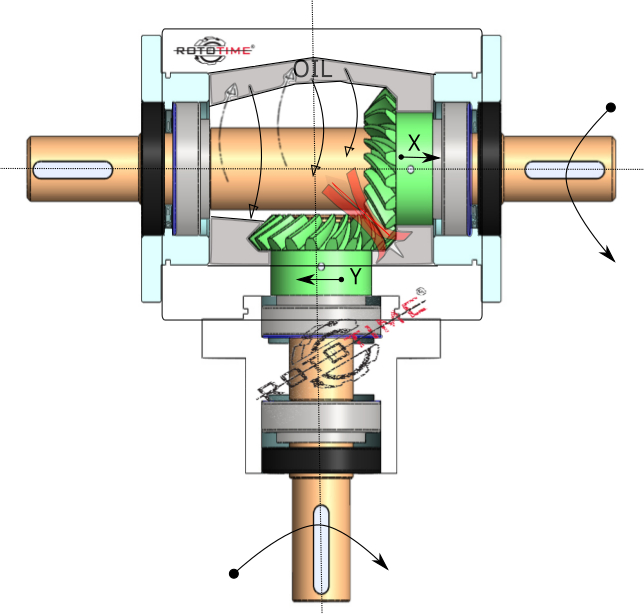
In an oil seal environment there is a shaft that is rotating inside a housing or bore. Because of friction, there must be some clearance between the shaft and the bore. The function of the oil seal is to stop whatever fluid is inside from leaking out the clearance between the shaft and housing. The seal may also be used to prevent outside materials, such as dirt, from moving in through the clearance.
Dynamic vs. Static Sealing
Dynamic Sealing
"Dynamic sealing" is the relationship between the rotating shaft and the seal and is handled by the sealing element. A garter spring may used in the oil seal to increase the radial interference between the seal lip and contact point on the shaft. In order to achieve this interference, the oil seal's ID must be slightly smaller than the diameter of the shaft.
Static Sealing
"Static sealing" is the relationship between the housing and the seal. In order to achieve this interference, the oil seal's OD must be slightly larger than the diameter of the housing or bore.
Basic Components
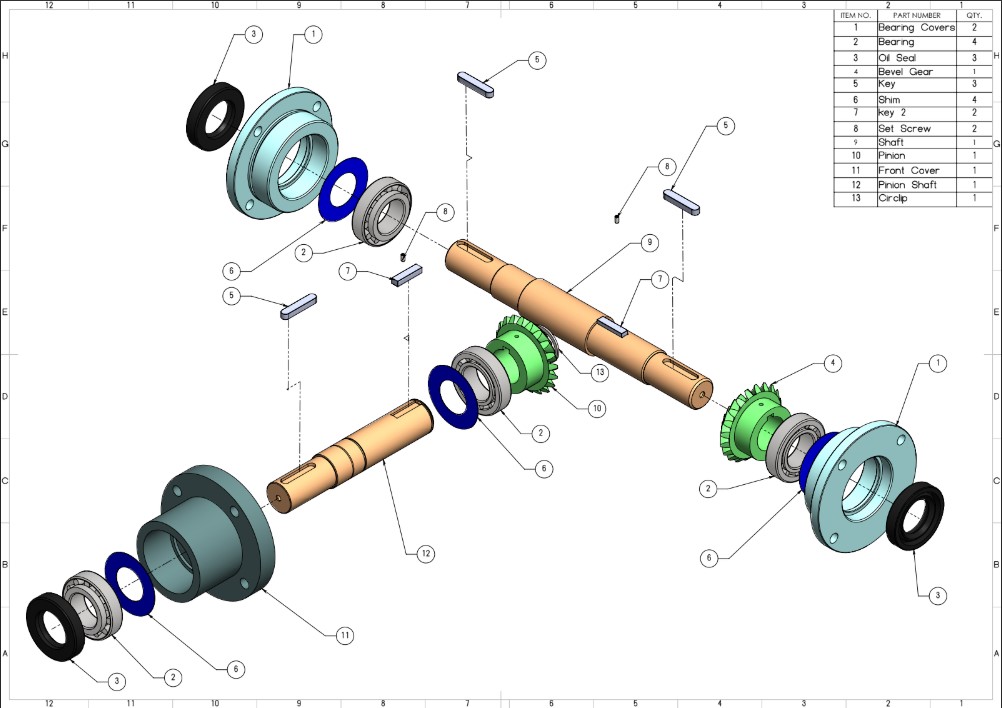
An oil seal normally consists of three basic components: the sealing element, the metal case and the spring. The purpose of the sealing element is to stop the fluid from leaking between the shaft and housing. The metal case will give rigidity and strength to the seal while it is being held in the bore or recessed groove. The spring will help make the sealing element more effective. All materials must be selected depending on the environment in which the oil seal will function.
Viton® Fluoroelastomer
Viton o-rings and seals are made from the world's most specified fluoroelastomer which is well known for its excellent (400°F/200°C) heat resistance. Viton offers excellent resistance to aggressive fuels and chemicals and has worldwide ISO 9000 registration. There are differences between types of Viton in terms of chemical resistance and mechanical properties.
Whether your application is automotive, chemical processing or any number of other industrial applications, there is a particular type of Viton that best meets your specific performance requirements. The general purpose types differ primarily from the specialty types in chemical resistance. In the specialty family, the choice is among four types that are tailored for superior fluid resistance, low-temperature performance or combinations of these properties.
1. Resistance to temperature extremes:
Heat
Viton withstands high temperature and simultaneously retains its good mechanical properties better than most other elastomers. Oil and chemical resistance also are relatively unaffected by elevated temperatures. Compounds of Viton remain usefully elastic indefinitely when exposed to laboratory air oven aging up to 204°C (400°F) or to intermittent test exposures up to 260°C (500°F). High temperature service limits are generally considered to be:
| Duration | Temperature |
|---|---|
| 3,000 hr. | at 232°C (450°F) |
| 1,000 hr. | at 260°C (500°F) |
| 240 hr. | at 288°C (550°F) |
| 48 hr. | at 316°C (600°F) |
Key Selection Criteria
- Dynamic sealing: Seal ID slightly smaller than shaft diameter
- Static sealing: Seal OD slightly larger than housing bore
- Three components: Sealing element, metal case, and garter spring
- Viton advantages: Heat resistance up to 316°C (600°F), chemical resistance, ISO 9000 certified
- Specialty types available: Enhanced fluid resistance, low-temperature performance